News
The Key Benefits of Magnesium Oxide in Dairy Cow Feed: Boost Herd Health & Milk Production
In modern dairy farming, balanced mineral nutrition is the cornerstone of stable herd health and high-quality milk output. Among essential feed additives, Magnesium Oxide (MgO) stands out as a cost-effective and functional mineral supplement, widely used in lactating and transitional dairy cow rations. Unlike other trace elements, magnesium cannot be stored in the dairy cow’s body for long-term use, which makes daily stable supplementation indispensable for maintaining physiological functions and production performance .
The most critical function of feed-grade Magnesium Oxide is regulating rumen pH and optimizing the rumen microenvironment. Modern dairy farms usually adopt high-concentrate feeding modes to boost milk yield, which easily leads to excessive acid accumulation in the rumen, reduced fiber digestibility, and even subacute ruminal acidosis. As an efficient alkaline buffer, magnesium oxide effectively neutralizes excess rumen acid, stabilizes normal rumen pH levels, and protects rumen microbial activity . It works synergistically with sodium bicarbonate to form a dual buffering system, greatly improving the digestibility of roughage and concentrate feeds, and solving the problem of low feed utilization caused by rumen imbalance .
Magnesium oxide supplementation plays a vital role in preventing common metabolic diseases in dairy cows. Sufficient magnesium intake effectively avoids magnesium deficiency-induced grass tetany (grass staggers), a high-risk disease prevalent in lush spring and autumn grazing environments and stressful winter feeding periods . Meanwhile, it significantly reduces the incidence of milk fever and limb and hoof disorders in periparturient dairy cows, stabilizing the health status of transitional herds and lowering herd mortality and elimination rates . Healthy cows maintain stable appetite and digestive function, avoiding feed waste caused by poor physical condition.
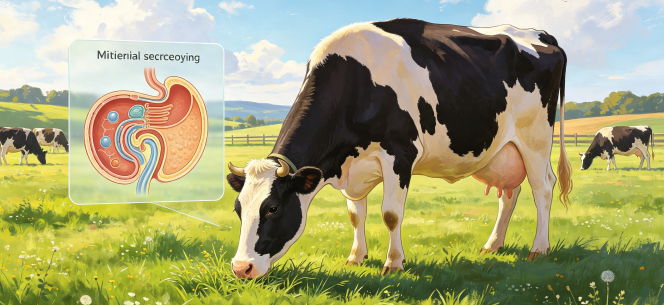
In terms of production performance, rational MgO supplementation directly improves milk quality and milk yield. Stable rumen environment and enhanced nutrient absorption efficiency help increase milk fat synthesis and uptake by the mammary gland, effectively correcting low milk fat syndrome caused by high-grain feeding . Relevant feeding trials show that scientific addition of magnesium oxide in dairy cow diets can steadily increase milk fat content and total milk production, while maintaining stable milk nutritional indicators . For commercial dairy farms, this means higher economic returns with low input cost.
In addition, high-purity feed-grade magnesium oxide features good solubility, high bioavailability, and stable performance, adapting to various feeding scenarios including concentrated feed mixing and premix addition. With no harmful residues and strong compatibility with other feed ingredients, it is a safe and reliable mineral additive for standardized dairy breeding. In large-scale intensive dairy farming, regular MgO supplementation has become a standard nutritional management measure to sustain long-term herd productivity.
RELATED NEWS
- The Use Of Highly Active Nanoscale Powder Magnesium Oxide
- The difference between active magnesium oxide and ordinary magnesium oxide
- Hot Isostatic Pressing: How Magnesium Oxide Improves Gym Chalk Block Performance
- Tired of Moisture Damage in Ocean Freight? Why MgO Desiccants Are the Key to Lon
- The Critical Role of Magnesium Oxide in Electronic Ceramics: From MLCCs to 5G De
CATEGORIES
LATEST NEWS
CONTACT US
Name: Mrs. Ma
Mobile: +86-15097999758
Tel: +86-03193131499
Whatsapp:8615097999758
Email:sales@kaimeimg.com
Add:No.22, Tianyifu, Ping'an Road, Xiangdu District, Xingtai City, Hebei Province, China